FAQ
Why Centoni is Different
Why work with Centoni?
Centoni Restoration and Development, Inc. is a State of California licensed (B) contractor with nearly 20 years of residential development in San Francisco.
With a specialty in historic renovation and restoration, Centoni excels at the delivery of residential projects under a Design + Build model.
Centoni's projects are designed, engineered, and built in a single source program, streamlining project delivery, and transforming the relationship between designers and builders into a collaborative alliance.
The Design + Build model allows for a faster and more cost-effective project, while at the same time delivering the highest quality craftsmanship.
What is Design + Build?
Design + Build is a construction project delivery method that uses a single point of contact to manage all aspects of the building process, from the development of architectural plans to project construction. The collaboration between the architect, engineer, and general contractor, at the inception of a project, provides the homeowner with a unified source designed to reduce overall risk and costs.
Centoni harnesses the power of modern project development methods to deliver renovations faster, more efficiently and with more predictability. Centoni's highly collaborative, integrated process is built on trust, mutual respect, teamwork, innovation, and creative problem-solving.
What makes Centoni different from a traditional general contractor?
A traditional general contractor typically handles only the construction aspect of a renovation project, leaving homeowners to identify and manage the balance of a team that could include designers, architects, engineers, and a considerable list of suppliers. There are complications that arise from navigating the relationships between the various design professionals that can lead to disputes, claims, and numerous change orders.
Centoni's Design + Build method steers the process in collaboration with the homeowner, with a single source of contact, vastly reducing the complexity of home renovation. Centoni saves homeowners money, time, and worry, all while restoring and renovating their homes to perfection.
For more information on what makes Centoni different, please visit: centoni.com/about
How does Centoni collaborate with Homeowners?
Centoni is known for collaborating with homeowners to realize vision into reality. Here's what a client had to say:
Gina does not tell you what to do but finds out what you want to do, discusses considerations you may have missed, makes suggestions on alternatives, and, in collaboration with you, formulates a design that is again open to discussion and changes. Over the years she has accumulated a store of knowledge of the best people to work with in terms of cabinets, lighting, countertops, tiles, flooring, and even plumbing fixtures. And she is with you every step of the way in making these decisions which are so important to the look of the finished product, again offering advice and suggestions. In short, she is also an accomplished interior designer. Gina was frequently on site during the construction phase and the work done by her team was top notch. During this entire process Gina was always available, promptly returning phone calls and more than happy to schedule a meeting to go over the project. She was a joy to work with. We couldn't be happier with the result and give her our highest recommendation.
— Heather P. & Richard Z., Noe ValleyTo read more reviews from Centoni's clients, please visit: centoni.com/reviews
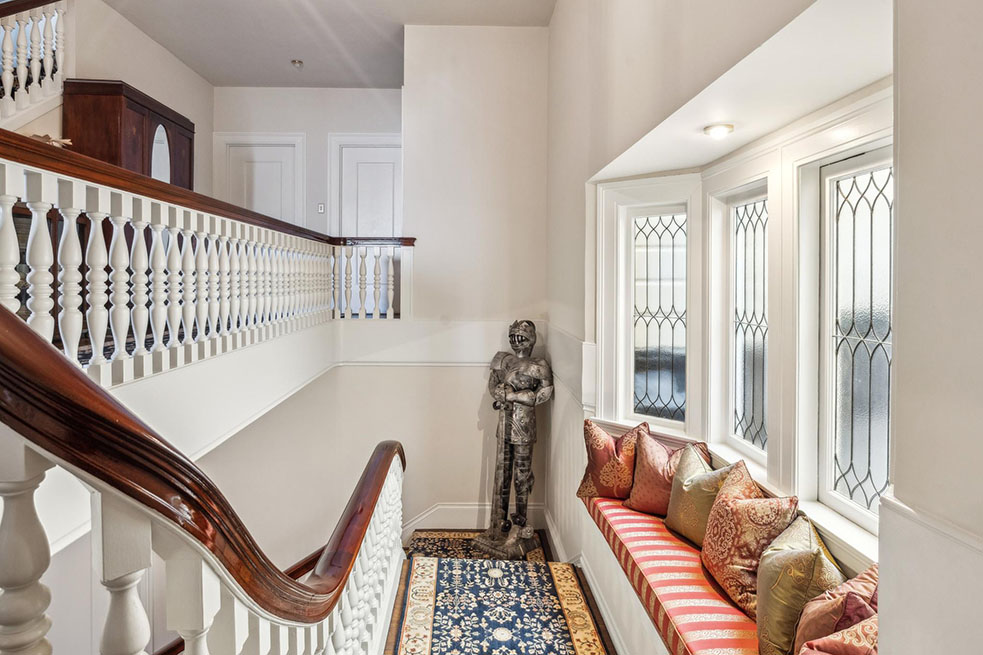
Scope of Work
What types of historic homes has Centoni renovated?
Centoni has been restoring historic and landmark homes in San Francisco for nearly 20 years. Projects include Mid-Century Modern, Victorian, Edwardian, Arts & Crafts, Mission Revival, and even contemporary, modern properties.
A portfolio of renovation projects can be seen at centoni.com/portfolio.
What type of Design + Build projects does Centoni manage?
Centoni works on all aspects of interior and exterior home renovation, from design development to construction, including seismic upgrades. Examples of interior projects include: kitchens and bathrooms, room additions, floor plan changes, Accessory Dwelling Units (ADUs), and horizontal and vertical additions. Exterior projects range from new fences and decks, to a façade makeover.
For a list of services, please visit: centoni.com/services
What renovation projects typically increase the value of a home?
Property value and investments can be measured in a number of ways, including:
- Infrastructure: structural, electrical, plumbing, heating/cooling
- Energy Efficiency: insulation, windows and doors, solar
- Function: floor plan and room layout
- Aesthetics: installed finishes
With today's market-savvy investors, residential upgrades in all categories can deliver up to a 95% return on investment.
For a guide on how to evaluate your home for renovation, please see: centoni.com/news/press/evaluating-home-renovation
Does Centoni manage permit applications?
Yes, Centoni has nearly 20 years of experience navigating the complexities of the San Francisco Department of Building Inspection, Planning, and Historical Planning Departments. Securing building permits, managing inspections, and adhering to all building codes is a standard for all projects – large or small.
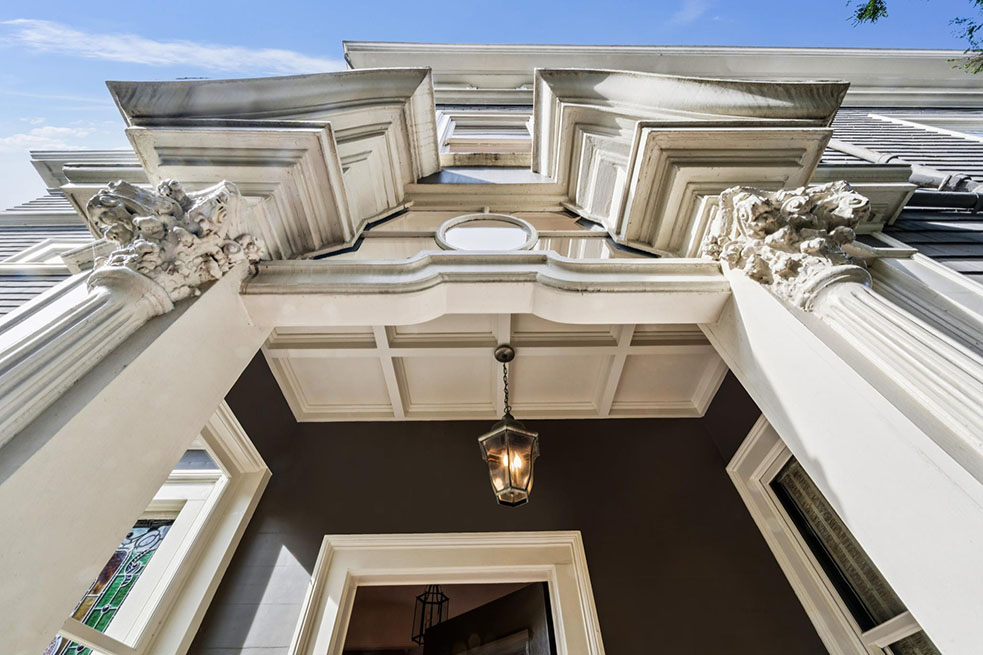
Efficiency and Elegance
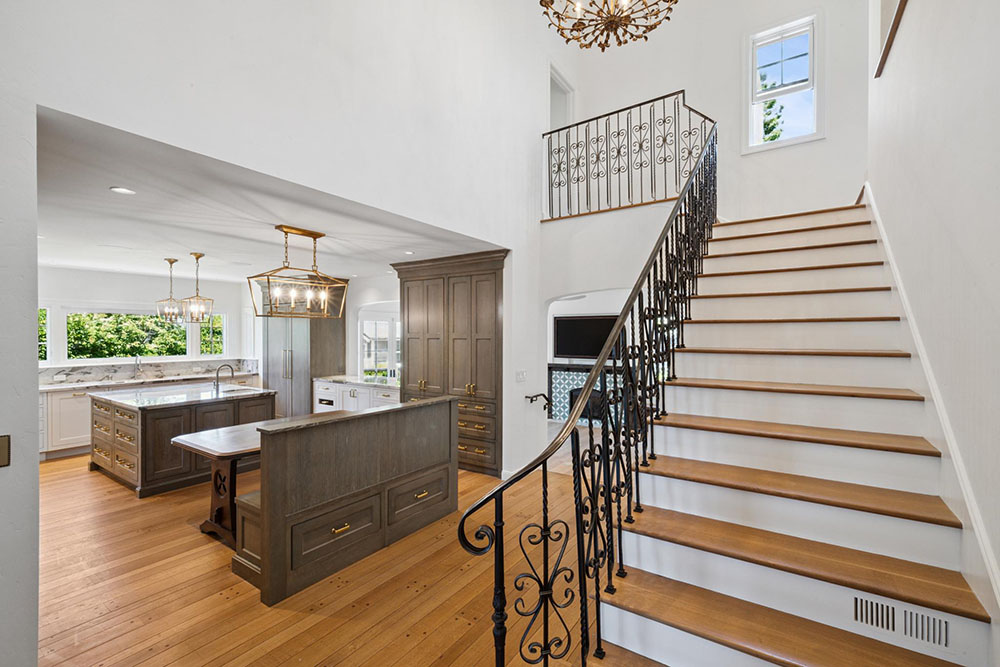
Can Centoni help to make a home more functional?
Partnering with homeowners, Centoni evaluates owner needs to ensure the renovation is both functional, and at the same time, reflects personal style. Identifying answers to questions like, does the renovation need to accommodate:
- Short term or longer-term ownership
- Accommodation for senior usability
- A multi-generational family
- A growing family
- Work at home space
Room focused questions, like “is a cook's kitchen a priority”, and space for entertaining also influences the design.
For more information on Centoni's philosophy on functional design, please visit: centoni.com/news/press/the-frankfurt-kitchen-for-modern-living
Does Centoni design homes for aging in place?
As home renovation specialists, Centoni prioritizes thoughtful solutions that allow homeowners to continue living in the places they love, as they age—safely, without sacrificing style. Modifications that can make this possible include:
- Fire and safety security systems
- Energy efficient solutions for every room
- LED lighting
- All-Electric cooking
- Heating and Cooling
- Accessible Bathrooms with stylish products
- Integrated grab bars
- ADA toilets
- Walk in shower
- Integrated seating
- Non-skid flooring
- Handrails – interior and exterior
- Elevators
Centoni is skilled at creating smart, functional, and attractive spaces that increase both livability and home value – for the short and long term.
For more information, please visit: centoni.com/news/press/modern-age-renovations-for-aging-in-place
What kind of renovations can make a home suitable for a multi-generational family?
Centoni has seen firsthand how multi-generational living is becoming a smart, modern solution for today's families. What makes this design so powerful is that it can be customized to the needs of each family.
Some families opt for a fully independent Accessory Dwelling Unit (ADU), while others reconfigure existing living spaces to include private suites with accessible bathrooms. Centoni works closely with clients to ensure every detail—from layout to finish—is thoughtful, durable, and tailored for long-term comfort and safety.
To find out more, please see: centoni.com/news/press/multi-generational-housing-a-smart-modern-renovation-strategy
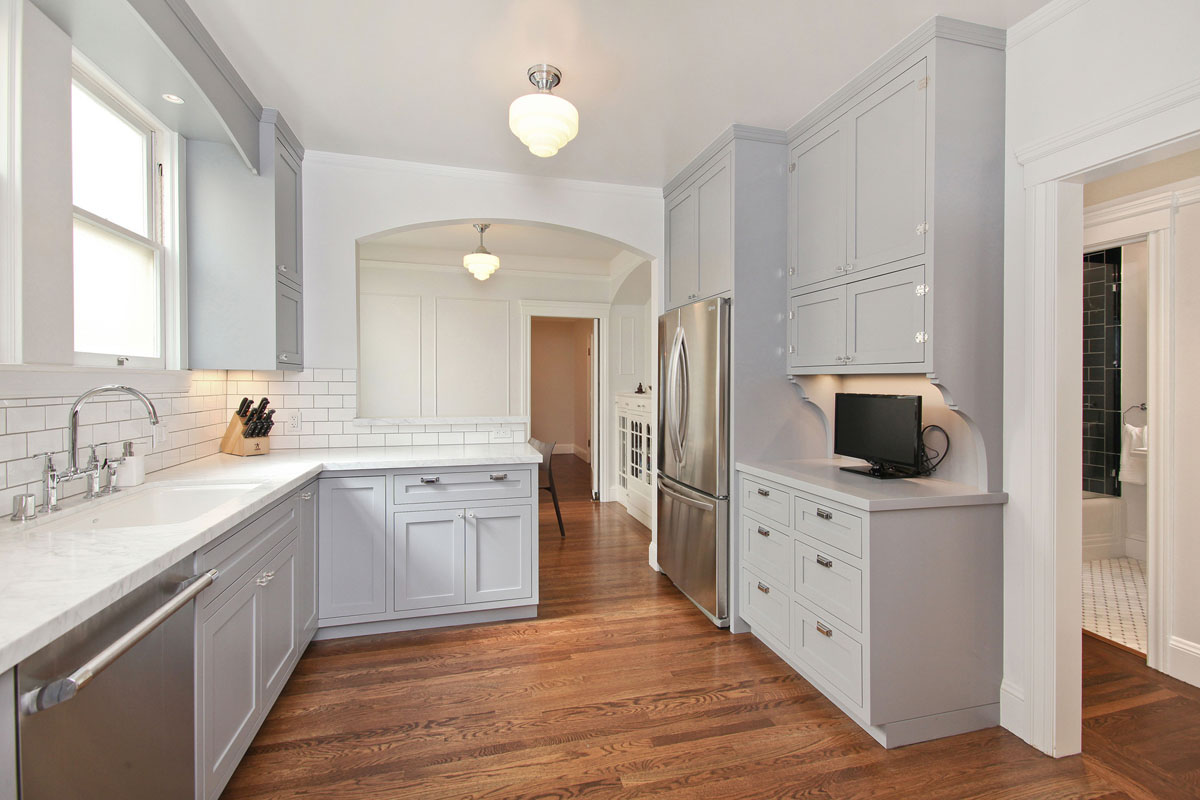
Preserving Historic Details
How does Centoni modernize a home while still maintaining its historic beauty and character?
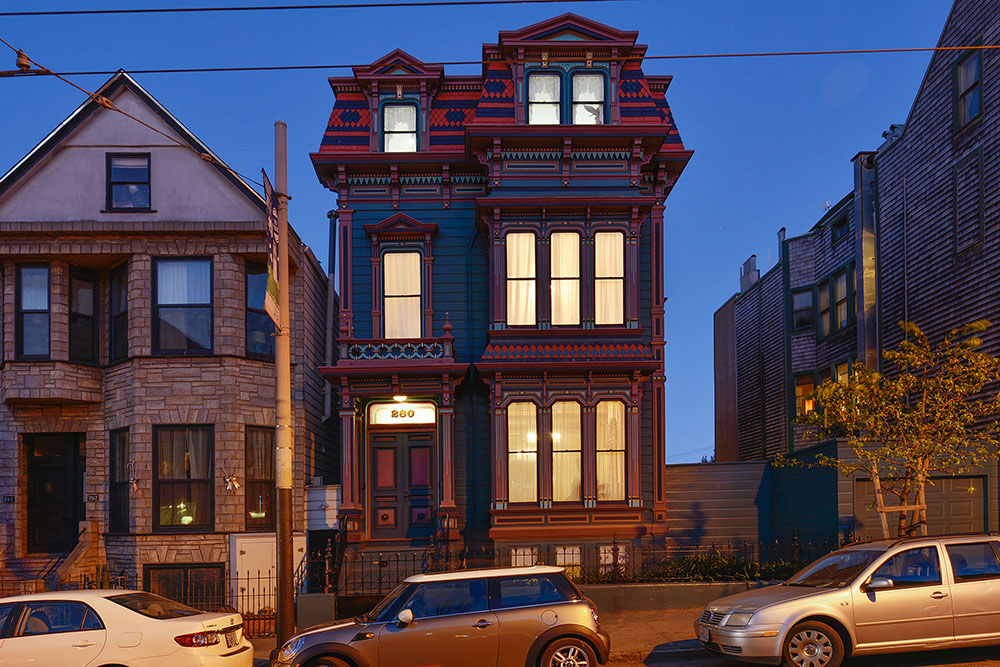
Centoni understands the challenges of integrating modern conveniences and sustainability while preserving the character of a historic home. With a dedication to continued research, Centoni sources the latest innovations to provide a nearly seamless integration of modern technology into historic homes.
Centoni has perfected the art of adding modern amenities while keeping the integrity and beauty of the home's original design.
For some excellent examples of Centoni's work that mixes form and function, please see Form and Function: Mixed Design Minimalism and Modern Fireplace Restoration.
Can Centoni match vintage details such as hardware and trim? What happens if an exact match can't be found?
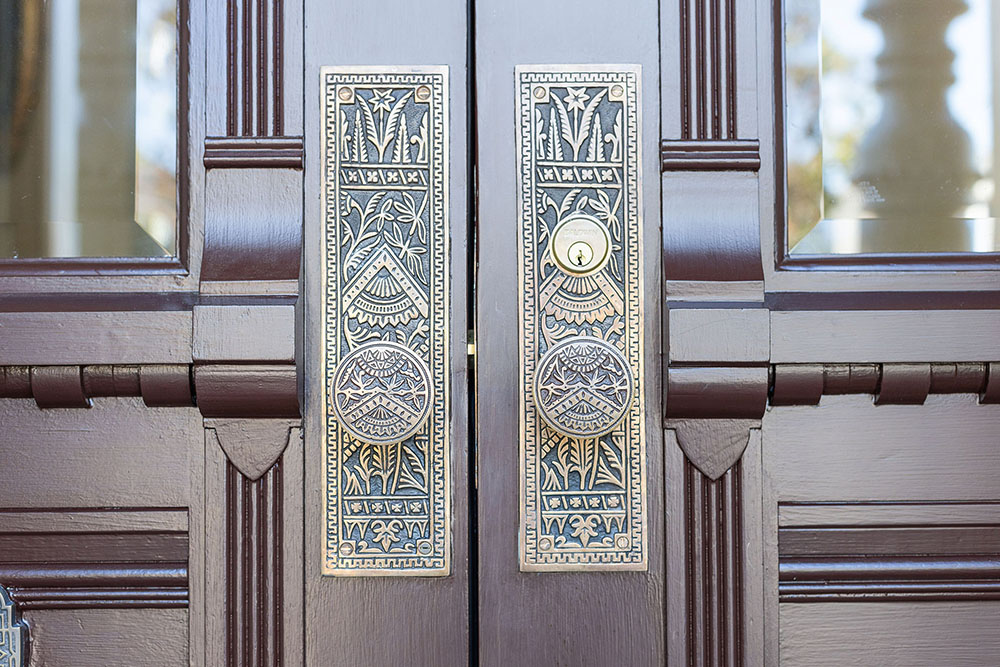
Centoni takes great care to preserve original materials. This includes cautious removal, replication and reinstallation of period details including painting, stripping, and repair. Where original materials are missing or damaged beyond repair, Centoni partners with local artisans to replicate architectural details from door hardware to windows, doors, and trims of all types.
For an example of the kind of care Centoni takes with historic details, please visit: centoni.com/news/press/preserving-the-legacy-of-leaded-glass-2
What are some of the standards for window replacement in San Francisco?
Windows have a significant aesthetic impact and a critical function in a home, and thus are subject to specific building codes and permitting requirements in San Francisco. Building and Planning codes include: maintaining historic character; in-kind designs that match the original; and using acceptable glazing types such as clear and low-E glass, or options that improve efficiency without compromising the building's historical look, like insulated glass.
Centoni's team has restored and replaced numerous windows in San Francisco, and are experts at navigating the complexities of the process.
For a more detailed explanation of the process, please visit: centoni.com/news/press/the-essential-guide-to-restoring-historic-windows
Building a Solid Foundation
Can Centoni help make a home more energy-efficient?
Centoni believes every home renovation is an opportunity to improve comfort, beauty, and efficiency. By using Green Building upgrades such as insulation, windows, doors, LED lighting, and high-efficiency heating and cooling systems, Centoni can not only help homeowners lower their carbon footprint, but also lower monthly utility bills. Certain upgrades may even qualify for California State and Federal tax credits.
For more information, please visit: centoni.com/news/press/energy-saving-renovations-1
What type of infrastructure upgrades should be considered when renovating a home?
Homeowners are inundated with stylish and creative images in seemingly every media channel today – whether social media, podcasts, or streaming video, ideas on how to improve living spaces are not in short supply.
Residential infrastructure is often pushed aside until insurance companies demand removal of knob and tube electrical, or utility rates become unmanageable, or structural deficiencies become a growing concern during a mild earthquake.
Centoni is equipped to help homeowners evaluate the extensive options available for infrastructure upgrades, and how best to approach both short term and long-term solutions.
For a guide on how to evaluate your home for renovation, please see: centoni.com/news/press/evaluating-home-renovation
Maintaining A Newly-Renovated Home
After a renovation, what can be done to maintain the integrity and beauty of a newly renovated home?
As the old saying goes, “An ounce of prevention, is worth a pound of cure”, which is as true for a house as it is for personal health.
Properly maintaining a home, year-round, reduces the cost of deferred maintenance and keeps it safe and comfortable.
Centoni has created a printable PDF home maintenance checklist to help homeowners care for their homes and mitigate the risk of damage and costly repairs. Please find it here: centoni.com/news/press/centoni-ae-s-bay-area-home-maintenance-checklist-calendar